The Dev Name Problem: Why Product Naming Is a Technical Decision, Not Just a Marketing One
Most digital products start with an internal working title—something functional, highly literal, and thoroughly unmemorable. Ours was MyCalendone.
“MyCalendone” = “My Calendar” + “Done”
It was never meant to be a brand; it was a developer placeholder. The problem is that placeholders have a nasty habit of persisting past their welcome, creeping into git repository names, database schemas, OAuth consent screens, and browser tabs long after you needed them to.
The moment you decide to show software to real users, internal shorthand becomes the first impression.
1. What We Were Actually Naming
Before picking a name, we had to establish strict honesty about what the product does—and what it does not do.
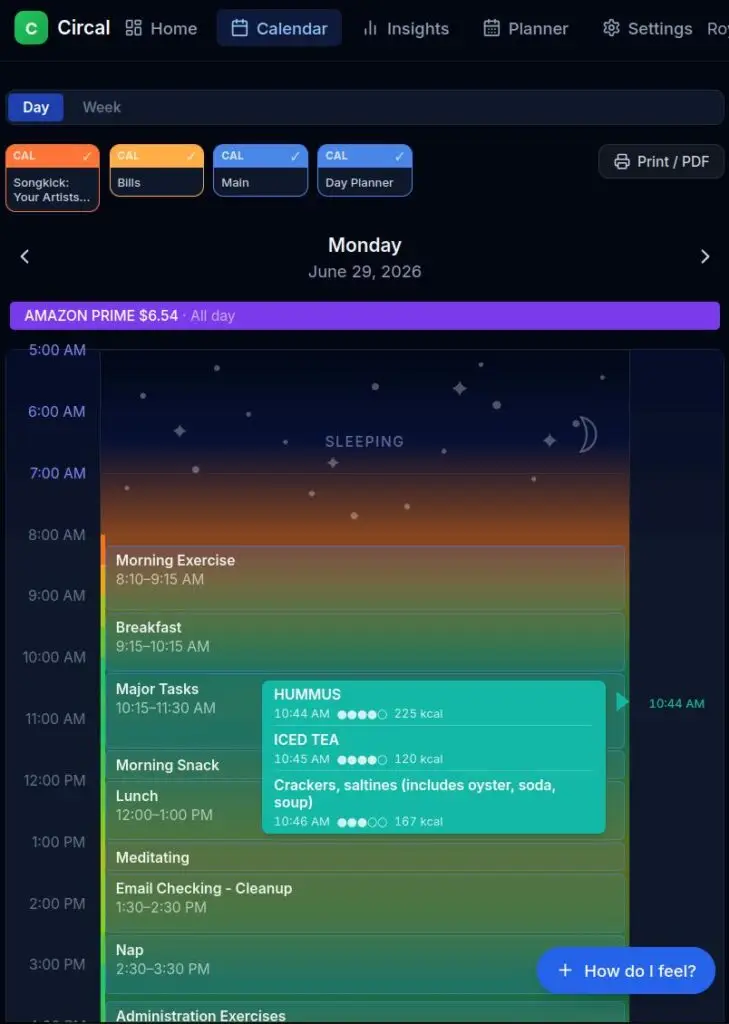
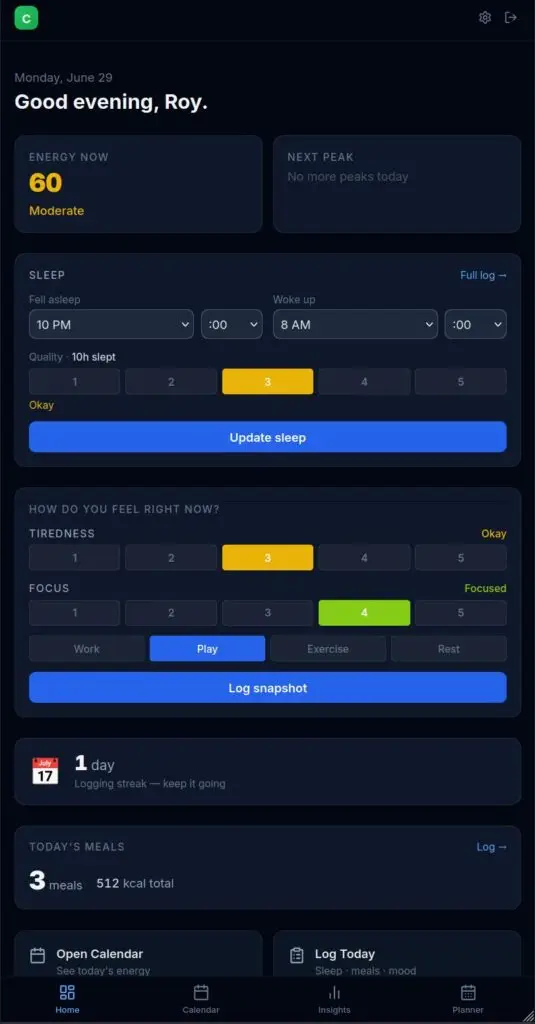
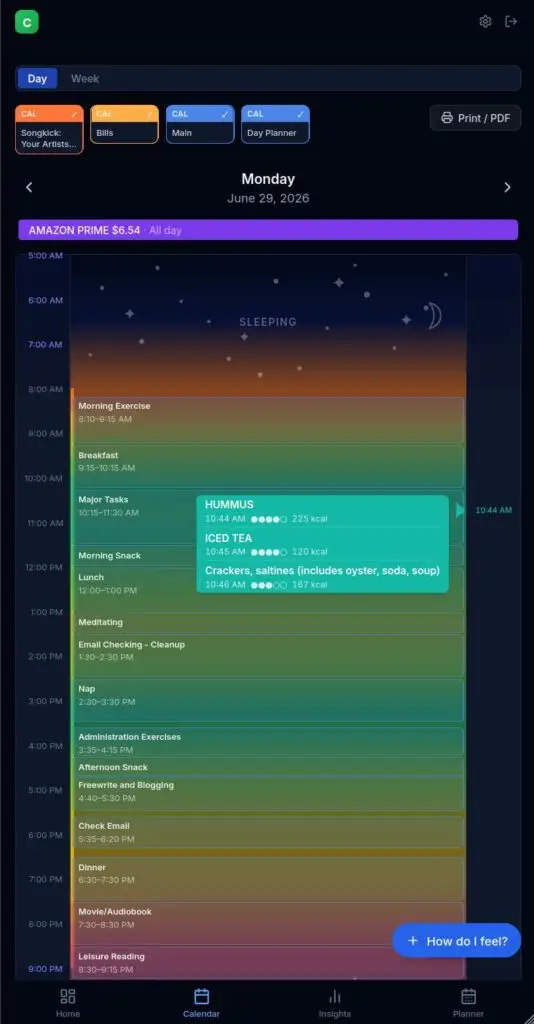
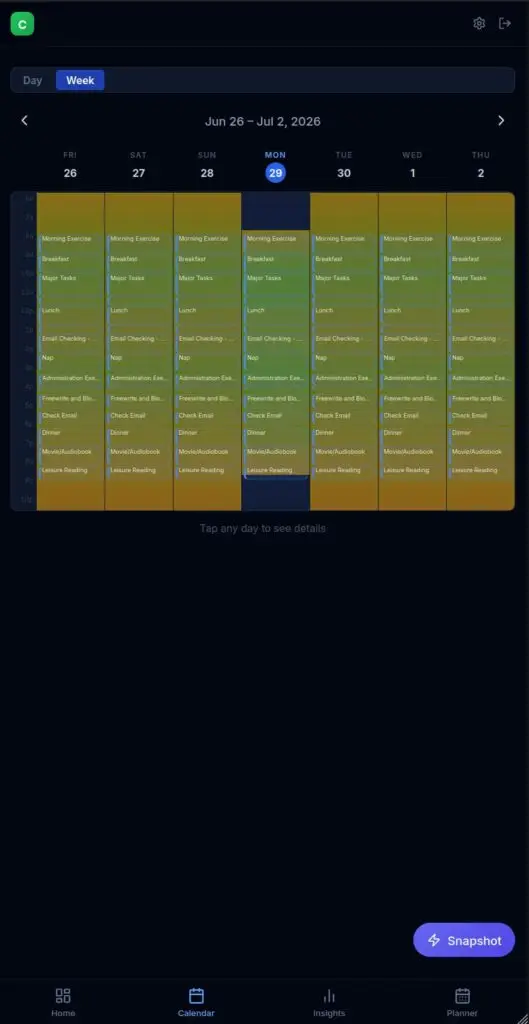
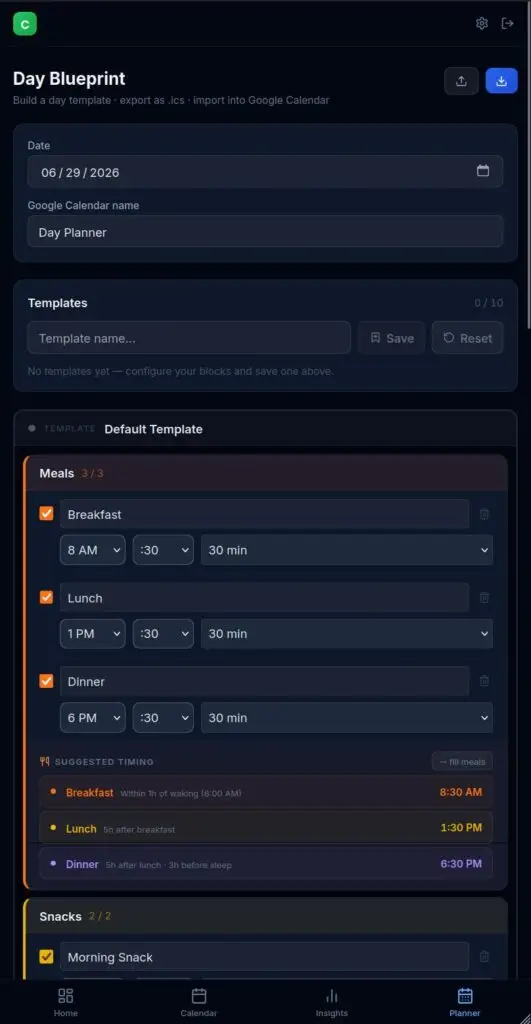
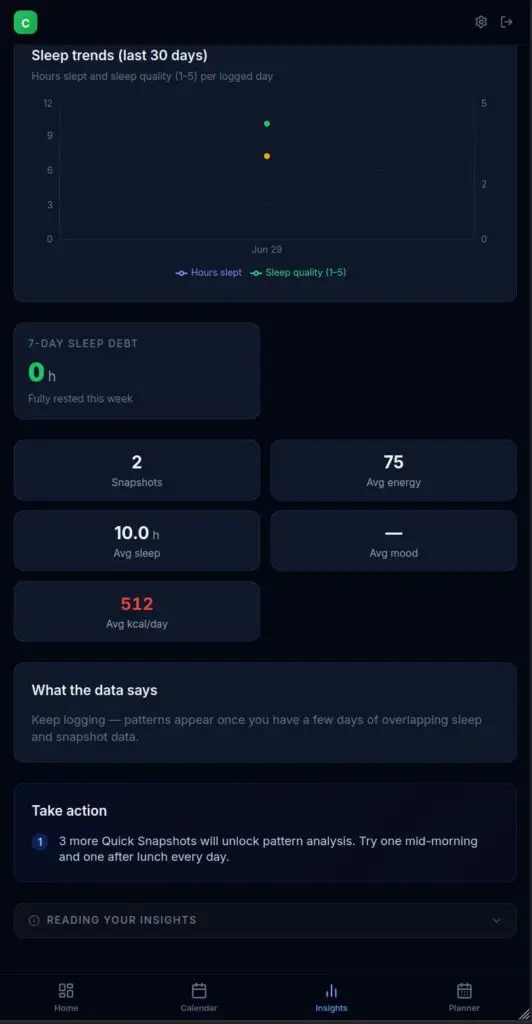
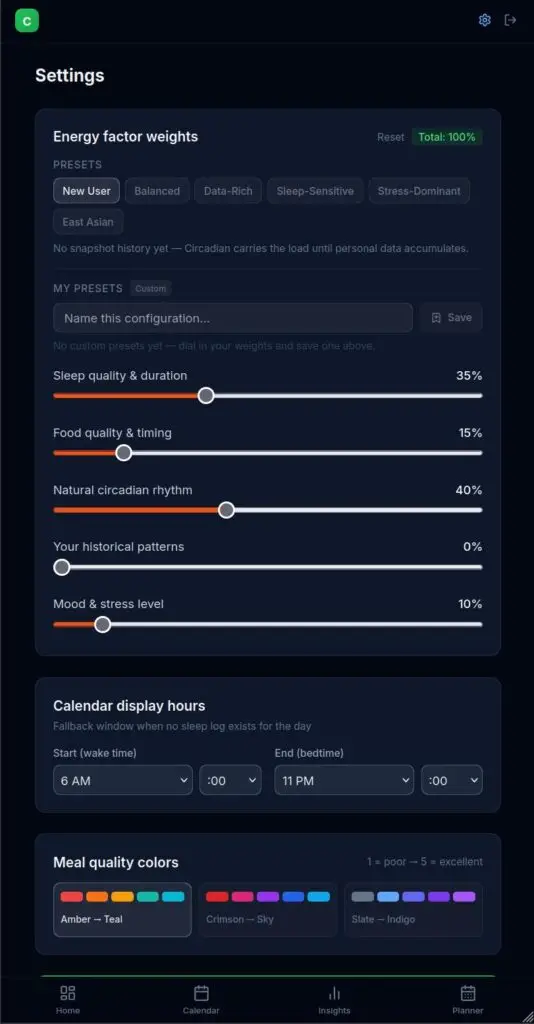
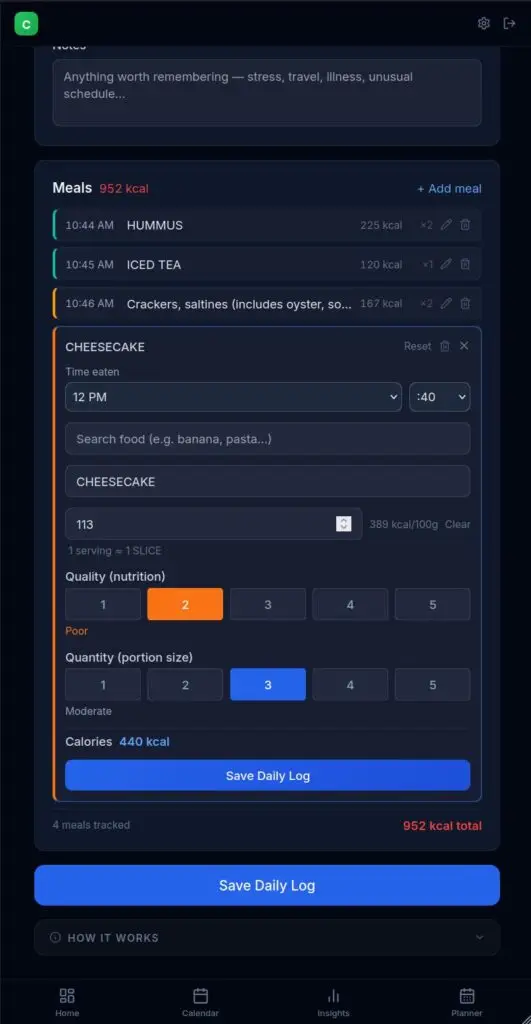
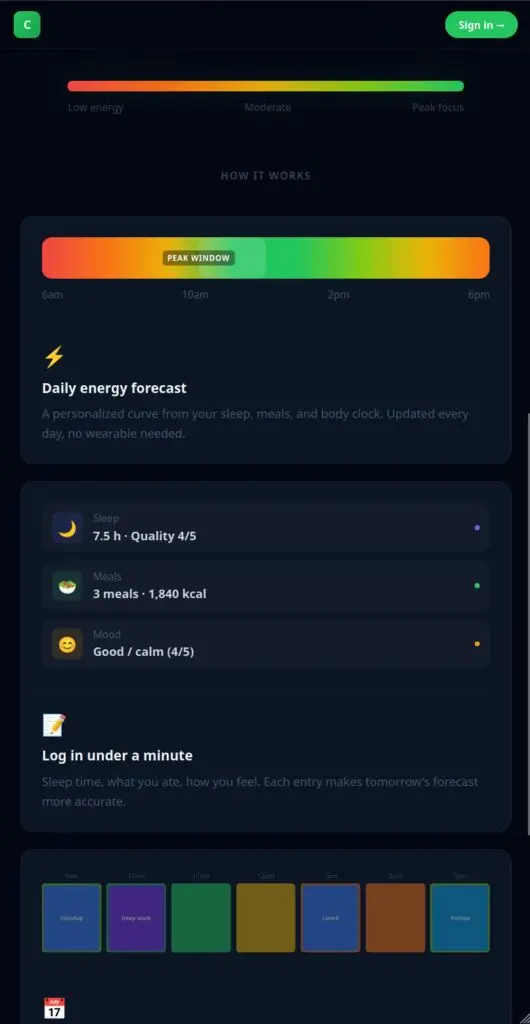
Circal overlays a personal energy forecast directly onto Google Calendar. It uses inputs from sleep, meal timing, subjective mood, and circadian rhythm models to predict which hours of the day will offer mental clarity and which will bring cognitive fatigue.
That is the entire scope.
-
It does not promise to double your productivity.
-
It does not claim to optimize your biological performance.
-
It simply surfaces an underlying pattern so you can make informed decisions.
                  ┌───────────────────────────────┐
                  │      CORE PRODUCT CONSTRAINT  │
                  │     "Describe, Don't Promise" │
                  └──────────────┬────────────────┘
                                 │
         ┌───────────────────────┴───────────────────────┐
         ▼                                               ▼
┌─────────────────────────────────┐   ┌─────────────────────────────────┐
│     HYPE NAMES (Overpromise)    │   │   DESCRIPTIVE NAMES (Grounded)  │
│  "PeakFlow", "MaxFocus", ...    │   │     "Circal" (Circadian + Cal)  │
│  → Attracts skeptics            │   │  → Sets accurate expectations   │
│  → Sets up inevitable letdowns  │   │  → Leaves room to build trust   │
└─────────────────────────────────┘   └─────────────────────────────────┘
This constraint—describe, don’t promise—is the single most effective filter for naming utility software. Names that overpromise attract hyper-critical early adopters and set performance expectations software cannot consistently meet. Names that describe utility without claiming miracles leave room for the product to earn genuine trust.
2. The Graveyard of Shortlisted Names
Engineering teams often over-index on cleverness. Our early candidate list demonstrates why clever ideas usually fail basic user tests:
-
Coilendar: An attempt to blend “coil” (representing cycles) with “calendar.” The metaphor was opaque. Users should never have to spend cognitive cycles decoding a brand name.
-
Circallacric: A strict palindrome of the root sounds (
c-i-r-c-a-l-l-a-c-r-i-c). Clever in theory; useless in practice. A palindrome is an ego trick. No one hears it spoken once and types it correctly into a browser address bar. -
Peakly / Flowtide / Kiro: Each suffered from distinct flaws—Peakly overpromised optimization, Flowtide sounded like generic corporate wellness software, and Kiro was completely abstract, requiring substantial marketing spend to attach meaning.
Why “Circal” Worked
“Circal” = “Circadian” + “Calendar”
Two words directly tied to core system inputs, compressed into a single, two-syllable, easily spellable term. You can speak it aloud in a standard sentence—“I use Circal to plan my sprint cycles”—and the listener can transcribe it on their first try without guidance.
3. Case Studies: Rebrands That Defined Modern Software
Every major category leader faces this transition. Analyzing successful name shifts highlights consistent patterns in how technical products mature:
| Original Name | Rebranded Name | The Core Problem It Solved | Takeaway |
| BackRub | Sounded intrusive; derived literally from backlink analysis. | Shifted to mathematical scale (Googol), communicating index capacity rather than low-level link mechanics. | |
| Relentless | Amazon | Sounded predatory, intense, and narrow in scope. | Shifted to a vast natural metaphor (Amazon River), supporting expansion from books into universal retail. |
| Tiny Speck / Glitch | Slack | Internal messaging tool was trapped inside a failing MMORPG game. | Created an acronym (Searchable Log of All Conversation and Knowledge) that positioned the tool as an enterprise utility. |
| Matchbox | Tinder | Descriptive of fire-starting, but too industrial/mechanical. | Kept the fire metaphor while choosing a word focused on ignition and human chemistry. |
| Confinity | PayPal | Abstract mashup of “confidence” and “infinity”; lacked transactional clarity. | Swapped abstract trust terms for a direct, human descriptor of payment friendship. |
4. The Engineering Guide to Product Naming
To evaluate potential product names objectively, use this structured framework before writing code or buying domains.
       [ Stage 1: Functional Scope ]
                     │  Define core function in one non-marketing sentence
                     ▼
       [ Stage 2: Linguistic Filters ]
                     │  Test: The Radio Test (Spellable when spoken)
                     │  Test: Pronounceability (2 syllables preferred)
                     │  Test: Visual Balance (No awkward character clusters)
                     ▼
       [ Stage 3: Collision & Conflict Checks ]
                     │  USPTO TESS / Trademark registry check
                     │  GitHub org, NPM package, PyPI namespace
                     │  Search Engine Result Page (SERP) noise check
                     ▼
       [ Stage 4: Domain & Infrastructure Pragmatism ]
                     │  Acquire functional operational URL (e.g., prefix / .app)
                     ▼
       [ Stage 5: Ship & Iterate ]
The Three Operational Rules
-
The Radio Test: Speak the name aloud to three people over a voice call without spelling it out. If even one person asks, “Is that with a ‘k’ or a ‘c’?” or misses the vowel structure, the name fails.
-
Namespace Collision Check: Search beyond
.comavailability. Query:
-
USPTO TESS database (and relevant local trademark registries).
-
GitHub Organization & Package Managers: Check NPM, PyPI, and Crates.io for name squatting.
-
SERP Density: If you search the term on Google, are you competing with an established medical condition, an international municipality, or a pop culture phenomenon?
-
-
Category Proximity: Pick a name that hints at your functional domain without boxing you into a rigid sub-feature. A name that is category-adjacent leaves room for product iteration without requiring a complete rebrand.
5. The Domain Dilemma: Practical Infrastructure Over Vanity
A common failure mode for technical founders is abandoning a viable product name because the exact-match
.com is held by a domain broker for $\$50,000$.Good names and available domains rarely overlap on day one. For modern web applications, pragmatism wins:
-
The Action Prefix: Adopting operational prefixes like
trycircal.app,usefathom.com, orgetpocket.comis an established, high-trust software pattern. -
Modern TLDs: Extensions like
.app,.dev, and.ioare standard across developer tools and software utilities..appenforce built-in HTTPS via HSTS preload lists, aligning security with branding. -
Capital Allocation: Secure a $\$10\text{–}\$20/\text{year}$ functional domain to ship and validate user traction. Save balance sheet capital for core engineering, infrastructure, and user acquisition until cash flow justifies premium domain acquisitions.
6. Practical References for Builders
When formalizing a product identity, rely on proven linguistic, trademark, and branding resources:
-
Trademark & Collision Audits:
-
USPTO Trademark Electronic Search System (TESS) — Essential for North American legal availability.
-
WIPO Global Brand Database — For cross-border intellectual property screening.
-
-
Linguistic & Strategic Frameworks:
-
Hello, My Name Is Awesome: How to Create Brand Names That Stick by Alexandra Watkins (The SMILE & SCRATCH framework for evaluating brand utility).
-
Positioning: The Battle for Your Mind by Al Ries and Jack Trout (The definitive work on category entry and mental availability).
-
-
Identity Checklist:
-
Keep it under three syllables.
-
Avoid hyphens, numbers, and deliberate misspellings (e.g., swapping “S” for “Z”).
-
Ensure the name works cleanly in CLI commands, API paths, and mobile headers.
-
The name of your product is not the brand. The brand is the accumulation of trust, uptime, and user experience delivered every time someone interacts with your software. The name’s primary job is simply to be clear, get out of the way, and make that experience easy to share.